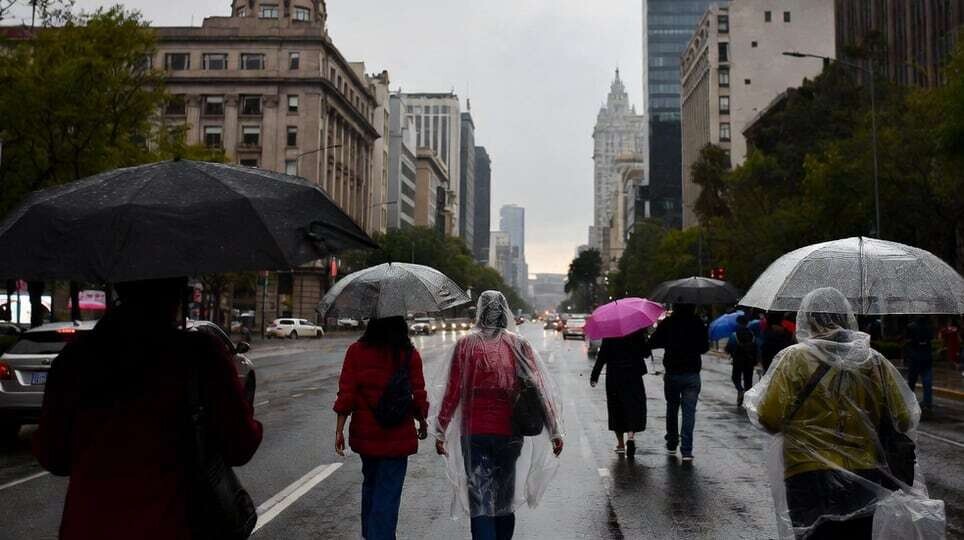
Mexico City will face contrasting weather conditions during the early morning and morning of Tuesday, March 24th, with low temperatures, possible rain, and risks associated with abrupt weather changes. Capital and federal authorities warned of impacts mainly in high-altitude areas in the south of the capital, within a national context marked by the transition of weather systems. Low temperatures in high-altitude areas of Mexico City. The Secretariat of Comprehensive Risk Management and Civil Protection (SGIRPC) activated a Yellow Alert for the Milpa Alta and Tlalpan boroughs, where temperatures of between 4 and 6 degrees Celsius are forecast between 01:00 and 08:00 on Tuesday, March 24th. According to the agency, these conditions could mainly affect the vulnerable population, so it was recommended to wear at least three layers of clothing, avoid abrupt temperature changes, and maintain proper hydration. Showers are also expected in the capital, which could aggravate the thermal sensation during the early hours of the day. The SGIRPC also called for extreme precautions when using heaters and maintaining adequate ventilation to prevent accidents. Rain, heat, and cold front in the country. The National Meteorological Service (SMN) reported that a trough in height, combined with the entry of moisture from the Pacific Ocean and the Gulf of Mexico, will generate rain and showers in much of the country, with heavy rainfall in states such as Puebla, Veracruz, and Oaxaca. The agency indicated that this Monday the heat wave will end due to the weakening of an anticyclonic system, although maximum temperatures will persist up to 45 degrees in entities in the north and west. In contrast, a new cold front will extend over the northern border, causing strong winds and reinforcing climatic variability in the country.